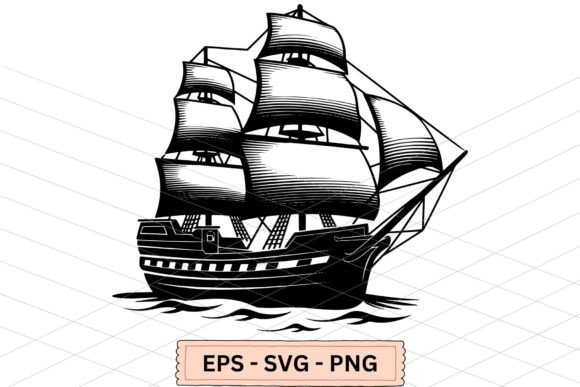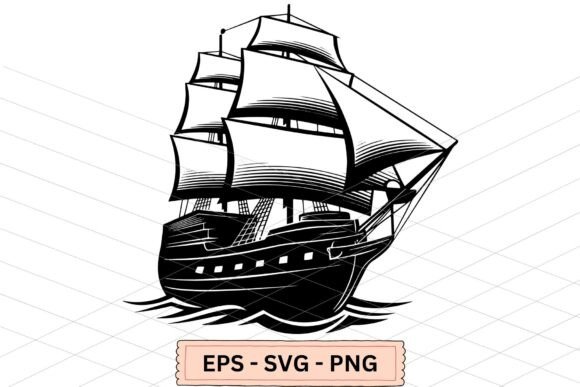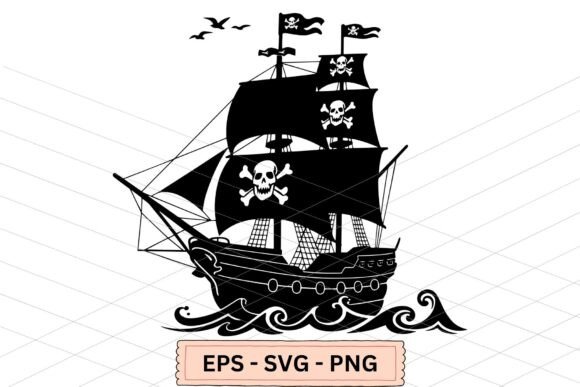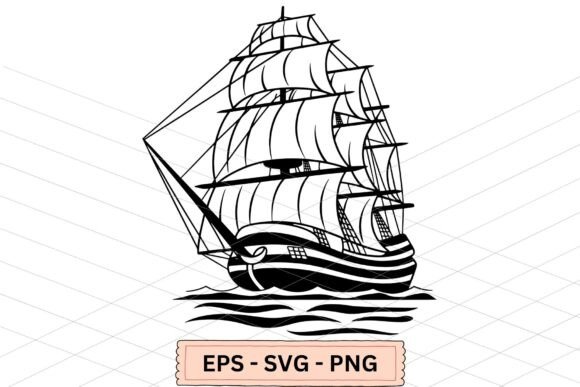
Pirate Ship SVG, Pirate Ship PNG, and Pirate: A Practical Guide for Creative Use
Whether you're an entrepreneur launching a new product line or a hobbyist working on personal crafts, having access to high-quality design assets like the Pirate Ship SVG, Pirate Ship PNG, and other pirate-themed graphics can significantly enhance your creative workflow. These files offer flexibility, scalability, and professional-grade visuals that are essential for a wide range of applications—from digital marketing materials to tangible merchandise. Understanding how these assets fit into your broader planning and execution process is key to leveraging their full potential.
What Are Pirate Ship SVG, Pirate Ship PNG, and Pirate-Themed Designs?
The Pirate Ship SVG is a vector-based file format ideal for designs that need to be resized without losing quality. It's particularly useful when creating logos, embroidery patterns, or custom apparel. The Pirate Ship PNG, on the other hand, is a raster image with transparent backgrounds, making it suitable for print projects and layered graphic work in software like Photoshop or Illustrator. When grouped under the theme of “pirate,” these assets form a cohesive set that can represent adventure, nautical themes, or historical motifs depending on your project’s needs.
In many cases, users combine multiple pirate-related elements—like ships, flags, and characters—to build out a brand identity or event theme. This makes having access to both scalable vectors (SVG/EPS) and ready-to-use images (PNG) incredibly valuable. The package includes one ZIP file containing three formats: 1 EPS file, 1 SVG file, and 1 PNG file—all free from watermarks and ready for immediate use.
Preparation and Planning: Choosing the Right Format
Before diving into a project, it’s important to assess which file types will best serve your goals. If you plan to scale the design across various media sizes—such as from a small mug to a large banner—the SVG file is the most practical choice due to its infinite scalability. For print-on-demand products or items where resolution matters, such as t-shirts or wood signs, the PNG file with 300 DPI ensures crisp, clear output.
Consider also the tools you’ll be using. If your workflow involves Adobe Illustrator or Cricut Design Space, the EPS and SVG files will allow for easy editing and customization. The PNG version is more suited for direct printing or embedding in web content where transparency is needed. Knowing the end use helps determine whether you should start with the SVG or PNG file and how to proceed with modifications if necessary.
Integration Into Creative Projects
One of the main advantages of the Pirate Ship SVG and PNG is their adaptability. Here’s how they can be integrated into different stages of a project:
- Design Phase: Begin by importing the SVG file into your preferred design software. Its editable paths let you tweak colors, add text, or combine it with other vector illustrations for a personalized look.
- Prototyping: Use the PNG file to preview how the design will appear on physical items. You can place it onto mockups of hoodies, mugs, or doormats to get a realistic sense of the final product before production.
- Production: Export the final version in the required format. For screen printing or vinyl cutting, the SVG remains invaluable; for printed goods, the high-res PNG ensures clarity and vibrancy.
Workflow Examples and Use Cases
Let’s explore a few real-world scenarios where the Pirate Ship SVG and PNG might come into play:
Example 1: Small Business Branding
If you’re launching a nautical-themed boutique or selling pirate-inspired merchandise, the Pirate Ship SVG allows you to create consistent branding across all touchpoints. You could use it for:
- Embroidery on tote bags or jackets
- Heat transfer prints on t-shirts
- Logos on packaging or signage
Example 2: DIY Home Decor Projects
For crafters looking to personalize home decor, these files open up numerous possibilities. The SVG format works well for laser-cutting wooden signs, while the PNG can be printed onto canvas or fabric for wall art. You could also use them in conjunction with other pirate-themed graphics to build out a complete room aesthetic—think pirate ship murals, pillow covers, or themed cards for special events.
Example 3: Digital Content Creation
Bloggers, educators, and marketers often require engaging visuals for their content. The Pirate Ship PNG can be added to PowerPoint presentations, blog headers, or educational worksheets about maritime history. Meanwhile, the SVG format enables clean, editable illustrations for infographics or animated video content.
Compatibility and Usability Across Platforms
These design files are compatible with a wide array of tools and platforms. The SVG file works seamlessly with vector editing software like Adobe Illustrator, Inkscape, and Cricut. The PNG file is easily imported into photo editors such as Photoshop, GIMP, or even Canva for quick adjustments and layering. Additionally, the EPS format supports advanced printing workflows and maintains compatibility with professional layout programs like Adobe InDesign.
When preparing for print, ensure that your printer accepts vector files if you're using SVG or EPS. Many print shops prefer EPS for its reliability in high-resolution outputs. For digital platforms, confirm the recommended image format and resolution. Most websites and social media channels accept PNGs, especially those with transparent backgrounds for modern aesthetics.
Organizing and Managing Your Design Assets
Having multiple file formats can streamline your workflow but also requires good organization. Create a dedicated folder for pirate-themed assets and subfolders based on usage—such as “Print Ready,” “Digital Use,” and “Editable Vectors.” Naming conventions like “Pirate-Ship-SVG” or “Pirate-Flag-PNG” help keep things clear and searchable.
Version control is also important. Keep track of which files you’ve modified and for what purpose. This prevents confusion later when revisiting a project or scaling it for different uses. Consider backing up your ZIP file or storing it in a cloud service like Google Drive or Dropbox to ensure easy access and collaboration with others involved in your project.
Quality Control and Long-Term Use
When working with design assets, maintaining quality is crucial. Always check the resolution of the PNG before printing—300 DPI is standard for high-quality prints. For SVG files, test them in different software environments to confirm that they render correctly. Some programs may interpret certain vector elements differently, so a quick review can prevent costly mistakes.
Long-term use of these assets depends on their versatility. Because they’re resizable and watermark-free, they can evolve with your brand or project. Whether you're updating a logo or redesigning a product line, having access to clean, editable files gives you the freedom to iterate and improve over time.
Efficiency and Consistency in Application
Using a single source for multiple file types improves efficiency. Instead of sourcing separate designs for each medium, you have a unified visual element that can be adapted as needed. This consistency strengthens brand recognition and simplifies the creative process.
For entrepreneurs managing inventory or product lines, this uniformity is vital. Imagine designing a line of pirate-themed gifts—mugs, tumblers, and pillows. With the same ship motif applied across all items via SVG and PNG files, your collection looks intentional and professionally crafted, even if it’s homemade.
Practical Tips for Implementation
- Start with the SVG: Editable vectors give you full control. Adjust colors, scale freely, and integrate with other vector graphics for a polished result.
- Use PNG for Transparency: Ideal for overlays, mockups, or any design that needs a clean background. Place it directly into your layout without worrying about resizing issues.
- Test Before Printing: Always preview the design on the intended material. Print a sample or create a digital mockup to catch alignment or color issues early.
- Stay Organized: Group files by type and use case. This saves time and keeps your workflow structured, especially when managing multiple projects simultaneously.
- Repurpose Creatively: Don’t limit yourself to just one use. The same pirate ship design can become part of a card template, a branded email signature, or a custom app icon with minor tweaks.
Final Thoughts on Pirate Ship SVG, Pirate Ship PNG, and Pirate-Themed Assets
The value of the Pirate Ship SVG, Pirate Ship PNG, and related pirate-themed assets lies not only in their visual appeal but also in their ability to support diverse creative needs. By understanding the strengths of each file format and integrating them strategically into your workflow, you can achieve professional results without the overhead of hiring a designer or purchasing expensive stock assets.
These files are especially useful for creators who want to maintain control over their designs while ensuring quality across all platforms. From small business branding to personal DIY projects, they provide a reliable foundation for innovation. As you move forward with your next venture, consider how these pirate-themed assets can contribute to your vision—whether you're crafting a unique product or building a memorable brand.
Thank you for purchasing and visiting our store. We hope these Pirate Ship SVG, Pirate Ship PNG, and other pirate-themed resources become a staple in your creative toolkit.