Snail Silhouette, Snail SVG, and Snail Designs: A Practical Overview for Creative Projects
The world of digital design offers a wide range of tools and formats to suit various creative needs. Among the many available options, Snail Silhouette, Snail SVG, and general Snail designs have gained popularity for their versatility in crafting custom products. Whether you're an artisan working on handmade items or a small business owner looking to personalize merchandise, understanding these design types is essential to making informed choices.
What Are Snail Silhouette, Snail SVG, and Snail Designs?
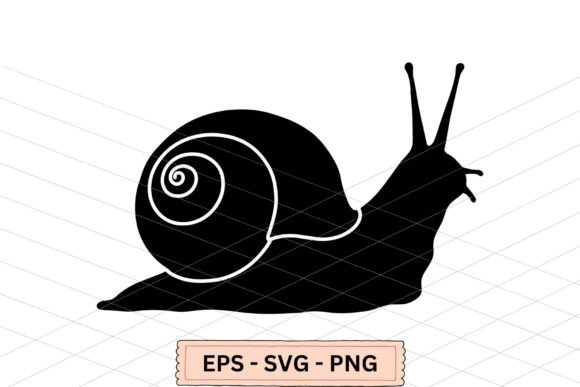
A Snail Silhouette refers to a simplified visual representation of a snail, typically used for its clean and elegant shape. This type of design is popular in branding, signage, and decorative arts because it captures the essence of the subject without unnecessary detail. The silhouette format is often used when a minimalist aesthetic is desired.
Snail SVG (Scalable Vector Graphics) files are vector-based images that allow for high-quality resizing without loss of clarity. These files are ideal for use in digital cutting machines such as Cricut or Silhouette, as well as for web graphics and print-on-demand projects. An SVG file ensures your design remains sharp at any scale, which is crucial for professional results.
In a broader sense, Snail designs can encompass any artistic or graphic representation of a snail, including illustrations, patterns, and logos. They may be stylized or realistic, and they serve different purposes depending on the medium and context of use.
What Makes These Design Formats Unique?
The key distinction between these formats lies in their structure and intended applications. A Snail Silhouette emphasizes form over detail, making it suitable for backgrounds, embroidery, or simple stencils. It's commonly used in logo creation where a clear and recognizable shape is needed without intricate features.
Snail SVG files, on the other hand, offer technical flexibility. Because they’re based on mathematical vectors rather than pixels, they maintain quality whether scaled up for a large sign or down for a tiny button. This makes them especially valuable for DIYers and entrepreneurs who need precision in their prints or cuts.
General Snail designs can vary widely. Some may include color, shading, or animation, while others stick to line art. Their uniqueness comes from the artist’s interpretation and the purpose they serve—whether for fashion, home décor, or promotional materials.
Comparing Snail Silhouette, Snail SVG, and Other Options
When selecting a design format, it’s important to consider how each one fits into your workflow and project goals. Here's how Snail Silhouette and Snail SVG stack up against common alternatives:
- EPS Files: Like SVGs, EPS files are vector-based and highly scalable. They are commonly used in professional printing environments and can be edited using Adobe Illustrator. If you're working with print shops or require compatibility with older software, an EPS file may be preferable to SVG.
- PNG Files: PNGs are raster-based and best suited for static images with transparent backgrounds. While they don’t scale as well as vector files, they are excellent for previewing or sharing designs online. A Snail PNG might be useful if you need a ready-to-use image for social media or digital marketing.
- JPG Files: JPGs are also raster-based but lack transparency support. They are great for photo-realistic images but not recommended for detailed editing or scaling. For most craft or product customization tasks, vector formats like SVG or EPS will provide better results.
Choosing between these formats depends largely on your equipment and end goal. If you plan to cut shapes with a machine, Snail SVG is a top choice due to its compatibility with such tools. For print work requiring high resolution, an EPS file might be more appropriate. Meanwhile, a Snail Silhouette could be perfect for adding subtle visual interest to a background or logo.
Strengths and Tradeoffs of Each Format
Each design format has its own set of advantages and limitations. Understanding these can help you determine which one aligns best with your needs:
Snail Silhouette
- Strengths: Minimalist style, easy to integrate into branding, works well with monochromatic themes.
- Tradeoffs: Limited detail means it may not convey complex imagery or messages effectively. Not ideal for intricate artwork.
Snail SVG
- Strengths: Perfect for digital cutting, scalable without quality loss, editable in vector software, supports layered elements for customization.
- Tradeoffs: May require some knowledge of vector editing tools to fully utilize. Less suitable for photography or detailed textures.
General Snail Designs
- Strengths: Offers a broad spectrum of styles and uses. Can be tailored for specific industries, such as children’s products, nature-themed décor, or educational materials.
- Tradeoffs: Quality may vary depending on the source. Some may not be optimized for commercial use or machine cutting unless specified.
Best-Fit Situations for Snail Silhouette, Snail SVG, and Snail Designs
To make the right decision, consider the following scenarios where each format excels:
- Snail Silhouette: Ideal for creating logos, embroidered patches, or wall art where simplicity and elegance are key. Its bold shape allows it to stand out even when printed in grayscale or a single color.
- Snail SVG: Best suited for use in digital crafts, such as vinyl cutting, laser engraving, or screen printing. You’ll find it particularly helpful when designing t-shirts, mugs, or wooden signs that require precise outlines and scalability.
- General Snail Designs: Useful for a variety of creative endeavors—from illustrated greeting cards to animated SVGs for website headers. These designs give you the freedom to choose the level of detail and artistic expression that suits your brand or personal style.
Limitations to Be Aware Of
While these formats are powerful tools, they do come with certain constraints:
- Snail Silhouette may appear too basic for audiences expecting rich visual content. It's not always the best option for storytelling or complex symbolism.
- Snail SVG files can become large if they contain too many layers or effects, which may affect performance in some software. Additionally, not all design platforms support SVG editing, so you may need specialized tools like Adobe Illustrator or Inkscape.
- General Snail designs vary in quality and licensing terms. Always ensure you have the correct permissions if planning to sell or reproduce the design commercially.
Decision Factors for Choosing the Right Format
Several factors should guide your choice between Snail Silhouette, Snail SVG, and other design formats:
- Project Type: Will you be cutting the design, printing it, or displaying it digitally? SVG and EPS are best for cutting and printing, while PNG is more suitable for digital display.
- Equipment: Do you have access to a digital cutter or vector editing software? If yes, SVG and EPS files will be more beneficial. If not, PNGs may be easier to work with.
- Desired Detail Level: Need a detailed illustration? General Snail designs or PNGs might be more appropriate. Want something clean and modern? Go with a Snail Silhouette.
- Commercial Use: If you're planning to sell products featuring the design, ensure you purchase a version that includes commercial rights. Many bundles now offer this clarity, such as the package containing 1 ZIP file with 3 usable formats—no watermarks included.
Real-World Applications and Examples
Here are a few practical examples of how these formats can be applied in real-world settings:
- Custom T-Shirts: Using a Snail SVG, you can easily resize the design to fit the shirt size and layer it with text or other graphics before sending it to a printer.
- Wood Signs: A Snail Silhouette can be laser-cut into wood for a clean and rustic look. Its minimal detail ensures the cut lines are clear and consistent.
- Digital Marketing: A stylized Snail design can be used in email templates, banners, or social media posts to reinforce a nature-inspired brand identity.
- Embroidery Patterns: Both Snail Silhouette and SVG files can be converted into embroidery-compatible formats, allowing for seamless integration into fabric-based projects.
With a bundle that includes 1-EPS File, 1-SVG File, and 1-PNG File, you gain flexibility across multiple mediums. The absence of watermarks ensures your final product looks polished and professional, regardless of the application.
When to Choose Snail Silhouette or Snail SVG Over Alternatives
There are specific instances where choosing a Snail Silhouette or Snail SVG would be the optimal decision:
- If you want a design that stands out with a strong visual identity but doesn't require fine details, the Snail Silhouette is a smart pick.
- For projects involving digital cutting machines, such as creating custom stickers or iron-ons, the Snail SVG is the go-to format.
- When you need a design that maintains quality at different sizes—like for both a small patch and a large banner—vector formats like SVG or EPS are the way to go.
However, if you're working with a tool that only accepts raster images or you need a quick visual without extensive editing, a PNG or JPG file may be more efficient. Always evaluate your tools, audience, and output requirements before finalizing a design format.
Conclusion
Snail Silhouette, Snail SVG, and Snail designs each bring unique value to creative projects. By understanding their strengths, tradeoffs, and best-fit situations, you can confidently select the format that meets your needs. With a comprehensive package that includes 1 Zip file with three usable files—EPS, SVG, and PNG—you're equipped to tackle a wide range of DIY and commercial ventures. Whether you're crafting a personalized gift or launching a new product line, the right design can make all the difference.
Thank you for purchasing and visiting our store. We hope these insights help you maximize the potential of your Snail Silhouette, Snail SVG, and Snail designs. As always, feel free to reach out with questions or ideas—we're here to support your creative journey.