Harvest: A Timeless Handwritten Typeface for Modern Designers
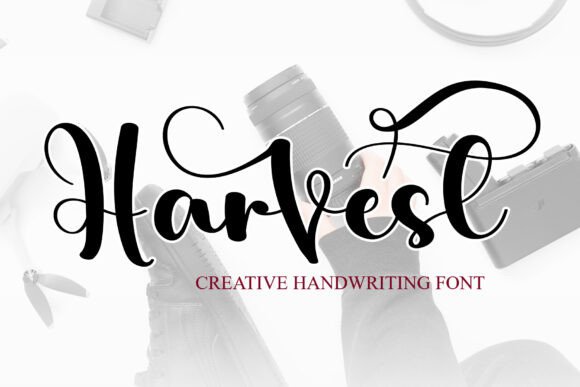
Typography plays a crucial role in design, shaping how audiences perceive and interact with visual content. Among the many fonts available today, Harvest stands out as an elegant and delicate handwritten typeface that brings warmth, character, and a personal touch to a wide range of creative projects. Whether you're crafting a logo, designing a wedding invitation, or updating your brand's social media presence, Harvest offers a unique blend of charm and professionalism that can elevate your work.
Why Choose Harvest?
Harvest is not just another decorative font—it’s a carefully crafted tool for designers who value both aesthetics and functionality. Its natural flow and soft curves mimic the feel of hand-drawn script, making it ideal for applications where a human element is essential. This font is especially popular among small business owners, marketers, bloggers, and creatives looking to infuse personality into their designs without compromising readability.
Perfect for Branding and Personal Projects
- Logos and branding: Harvest adds a distinctive flair to logos, helping businesses stand out in a crowded market.
- Social media posts: The font's elegance enhances text overlays on images, videos, and promotional graphics.
- Wedding invitations: With its romantic and refined look, Harvest is a top choice for couples wanting to create a memorable first impression.
- Product packaging and labels: It works beautifully on artisanal products, giving them a handmade and authentic feel.
- Business cards: A subtle yet stylish option for professionals aiming to leave a lasting visual impact.
Common Mistakes When Using Harvest
While Harvest is versatile, many users make mistakes when selecting or applying it. These errors can lead to suboptimal results, reduced readability, or even miscommunication. Here are some key issues to be aware of:
Overlooking Legibility
Handwritten fonts often come with a trade-off between style and legibility. Although Harvest is designed with clarity in mind, using it at too small a size—especially in body text—can reduce its effectiveness. Always ensure the font is used appropriately based on context and audience needs.
Misusing Alternates Without Purpose
One of the strengths of Harvest is its PUA encoding, which allows access to a variety of glyphs and alternates. However, overusing these features can make the text appear cluttered or unprofessional. Use alternates selectively to maintain a balanced and readable layout.
Ignoring Color and Contrast
The beauty of Harvest lies in its subtlety. Pairing it with overly bright or contrasting colors can diminish its elegance. Instead, use muted or neutral backgrounds and choose complementary color schemes to let the font shine while maintaining accessibility for all viewers.
Not Checking Licensing Before Use
Many users download free versions of Harvest without verifying if they meet their project requirements. Some licenses restrict commercial use or require attribution. Always review the font’s licensing terms before incorporating it into client work, marketing materials, or any paid endeavor.
How These Mistakes Can Impact Your Work
Missteps in font selection or application don't just affect the look—they can influence user experience, brand perception, and even the success of your project. For example:
- If Harvest is used incorrectly in small print, it may hinder readability, leading to confusion or frustration among readers.
- Excessive alternates might give the impression of inconsistency or lack of professionalism, particularly in formal documents or corporate branding.
- Clashing colors could distract from the message you’re trying to convey, reducing the overall effectiveness of your design.
- Unauthorized use can result in legal complications, especially in professional settings where compliance is critical.
Practical Tips for Better Results with Harvest
To get the most out of Harvest, consider these best practices:
Use It Where It Shines
Reserve Harvest for headings, titles, logos, and short-form text. Avoid using it for long paragraphs or dense blocks of information. Think of it as a stylistic accent rather than a primary reading font.
Experiment with Alternates Thoughtfully
Take advantage of Harvest’s alternate characters by using them to add variation in headlines or call-to-action sections. But remember, less is more. Apply alternates only where they enhance the visual appeal without disrupting the flow of the message.
Pair with Complementary Fonts
Harvest works well with sans-serif or clean serif fonts in body text. This combination maintains visual harmony and ensures that your content remains scannable and easy to read. For instance, pair it with Helvetica or Georgia for a balanced typographic hierarchy.
Test Across Devices and Print Media
Before finalizing a design, always preview it on different screens and in print format. What looks great on your computer may not render perfectly on mobile devices or paper. Adjust sizing and spacing accordingly to preserve the font’s intended elegance.
Verify Licensing Permissions
Whether you're downloading Harvest from a marketplace like Creative Market or purchasing it directly from a designer, take the time to understand what you're allowed to do with it. Some licenses allow unlimited use, while others have limitations. If in doubt, consult the font provider’s documentation or seek legal advice.
Real-World Examples and Better Approaches
Let’s explore a few scenarios where Harvest can be used effectively—and where it might fall short:
Example 1: Wedding Invitations
A local wedding planner wanted to create a set of invitations with a rustic, handcrafted feel. They chose Harvest for the main title and paired it with a classic serif font for the details. The result was a cohesive, beautiful design that felt personal and elegant. Had they used Harvest throughout the entire invitation, however, it would have been difficult to read and lost its special effect.
Example 2: Social Media Posts
A boutique clothing brand used Harvest in a Facebook ad for a new collection. While the font looked stunning on desktop, it appeared blurry and hard to read on mobile devices due to poor scaling. To fix this, they created two versions of the ad—one optimized for mobile and one for desktop—ensuring the font remained legible across all platforms.
Better Approach: Business Cards
Instead of using Harvest for the entire business card, a freelance photographer wisely applied it only to the name and tagline. The rest of the contact information was typeset in a simple sans-serif font. This approach kept the card visually appealing while ensuring that important details were clear and easy to read.
What to Check Before Making a Decision
Before committing to Harvest for your project, ask yourself the following questions:
- Is the font suitable for my target audience? (e.g., professional vs. casual)
- Will it remain legible in the chosen medium and size?
- Do I need access to special glyphs or alternates for my design?
- Am I using it in a way that aligns with the brand’s tone and messaging?
- Have I confirmed the license supports my intended use case?
Conclusion
Harvest is a powerful asset in the designer’s toolkit, but like any resource, it requires thoughtful application. By understanding its strengths and limitations, you can avoid common pitfalls and use it to create compelling, professional, and aesthetically pleasing designs. Remember to prioritize legibility, check licensing, and test your layouts across different formats. With these strategies in place, you’ll be able to harness the full potential of Harvest for everything from branding to event design.