The Elegance of the History Script Font
Fonts play a crucial role in shaping how we perceive visual content, and when it comes to adding a touch of personalization or sophistication, script fonts are among the most popular choices. One such font that stands out for its beauty and versatility is History. This stylish and incredibly elegant script font brings a sense of charm, grace, and authenticity to any design project. Whether you're creating something personal like a thank you card or something professional like a brand logo, History can elevate your work with its handwritten feel and refined aesthetic.
What Makes History Unique?
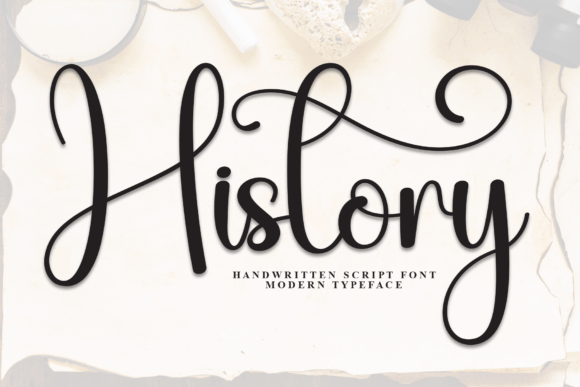
Script fonts are designed to mimic handwriting, but not all of them achieve the perfect balance between elegance and readability. History does just that. Its flowing letters and subtle variations in stroke width give it a natural, handcrafted look without compromising on clarity. The font features delicate serifs and smooth curves, making it ideal for designs where a personal and artistic tone is desired.
Compared to other script fonts that may appear too ornate or difficult to read, History maintains a clean structure while still delivering an expressive, calligraphic feel. It’s this harmony between style and functionality that makes it suitable for both digital and print applications. Designers often choose it for projects that require a timeless appeal, as it doesn't follow fleeting trends and instead exudes a classic, enduring vibe.
Handwritten Touch Without the Effort
One of the biggest challenges when using script fonts is ensuring they remain legible across different sizes and mediums. Handwritten text, while beautiful, can be inconsistent and hard to scale. That's where History shines — it offers the warmth and individuality of handwriting without the need for actual pen-and-paper effort. You get the same level of detail and personality every time, making it reliable for repeated use in branding materials, stationery, and more.
Where Can You Use the History Font?
Thanks to its adaptability, History can be used in a wide range of contexts. Here are some of the most common and impactful uses:
- Wedding Invitations: Nothing says romance like beautifully scripted text. History adds a soft yet luxurious feel to wedding invites, making them memorable and visually appealing.
- Thank You Cards and Greeting Cards: For heartfelt messages, the font’s elegance conveys sincerity and care, especially when paired with minimalist layouts and high-quality paper.
- Quotes and Social Media Graphics: Inspirational quotes become more engaging when presented in a stylish script. History works well on Instagram posts, Pinterest pins, and quote cards, enhancing their shareability and visual impact.
- Logos and Branding: Businesses in creative industries, such as fashion, art, and lifestyle, often use script fonts to reflect a unique identity. History provides a refined and approachable look, helping brands stand out while maintaining professionalism.
- Business Cards: A business card with History can make a strong first impression. It’s particularly effective for entrepreneurs, freelancers, and creatives looking to express their personal style through typography.
- Labels and Packaging: In the world of product design, the right font can tell a story. History is excellent for artisanal products, luxury items, or handmade goods where a personalized touch is essential.
Real-Life Examples of History in Action
Let’s say you’re designing a boutique wedding invitation. Using History allows you to create a look that feels intimate and bespoke. You might pair it with a watercolor background and gold foil accents for a truly luxurious effect.
If you're a blogger creating a signature header for your website, History can add a personal flair that reflects your voice. Just be sure to use it sparingly — maybe only for titles or pull quotes — so it remains readable and doesn’t overwhelm the layout.
Freelance designers love using History for client proposals and presentation decks. It gives a sense of creativity and attention to detail, which can help build trust and showcase their unique style.
Why Choose History Over Other Fonts?
Many people gravitate toward script fonts because they bring a human element into design. However, choosing the right one is important. History is a great option for those who want something that looks hand-drawn but functions like a professionally crafted typeface.
Its consistent letterforms ensure that even complex phrases are easy to read, which isn’t always the case with more casual script fonts. Additionally, History is available in multiple weights and styles (if applicable), allowing for greater flexibility in design. You can use it for headings, body text, or decorative elements depending on the version you select.
For beginners, History is also beginner-friendly. It pairs well with sans-serif fonts for contrast, and its elegant nature means it won’t clash with most color palettes or backgrounds. You don’t need advanced typography skills to use it effectively — just a basic understanding of design principles will go a long way.
Who Benefits Most from Using History?
While History is versatile enough for many users, certain professionals and creators find it especially valuable:
- Event Planners: From save-the-dates to place cards, History helps create a cohesive and sophisticated event theme.
- Graphic Designers: They appreciate the font for its stylistic depth and ability to complement both modern and traditional aesthetics.
- Entrepreneurs and Small Business Owners: Looking to build a brand with character? History can help convey a warm, personal image that resonates with customers.
- Bloggers and Content Creators: Want your blog or social media to feel more authentic and artistic? History adds a layer of visual storytelling.
- Educators and Trainers: When designing certificates, course materials, or motivational posters, History brings a sense of formality and inspiration.
Practical Tips for Using History Effectively
To make the most of History, here are a few tips to keep in mind:
- Use it in moderation: While History is stunning, overusing it can make your design look cluttered. Reserve it for key elements like headings or taglines.
- Pair with complementary fonts: Combine it with a clean, modern sans-serif or serif font to balance the overall look. This creates contrast and guides the reader’s eye naturally through the design.
- Consider spacing and size: Script fonts often have varying widths and ascenders/descenders. Adjust leading and tracking to maintain readability and visual flow.
- Match the tone of your project: History works best in contexts that aim to feel personal, artistic, or romantic. Avoid using it in formal reports or technical documents where legibility is paramount.
Things to Consider Before Choosing History
Before downloading and using History, there are a few factors to evaluate:
- License Type: Ensure you understand whether the font is free for commercial use or requires a purchase. Many premium script fonts come with specific usage rights.
- Design Compatibility: Test the font with your chosen colors, images, and layouts. Sometimes, a beautiful font can lose its impact if not matched correctly.
- Readability Across Devices: Check how History appears on different screens — especially mobile devices. Some script fonts can be harder to read on smaller displays.
- Project Goals: Ask yourself what message you want to send. If you're aiming for a bold, edgy look, History might not be the best fit. But if you're going for a refined, artistic feel, it's perfect.
How to Get Started with History
If you're new to working with script fonts, starting with History is a smart choice. Begin by exploring its potential in your favorite design software, such as Adobe Photoshop, Illustrator, or even Canva. You’ll quickly notice how it transforms simple text into something visually striking.
A great beginner project could be designing a birthday greeting card. Start with a light-colored background, add a short message in History, and enhance it with subtle textures or illustrations. As you gain confidence, try using it for logos or promotional materials. Remember, the key is to let the font shine without competing with other design elements.
Where to Find History
You can usually find History at major font marketplaces like Adobe Fonts, Creative Market, or MyFonts. Always verify the licensing terms before downloading to ensure it fits your intended use — whether personal or commercial. Some platforms offer free trials, so you can test it in your projects before committing to a purchase.
Final Thoughts on History
In today’s fast-paced digital world, finding the right font can be the difference between a forgettable design and one that leaves a lasting impression. History bridges the gap between handwritten beauty and typographic precision, making it a top choice for anyone looking to add a touch of elegance to their work.
Whether you're a seasoned designer or someone just starting out, History is a font worth considering. Its blend of style and usability ensures that it can enhance a wide variety of projects without sacrificing function. So next time you're working on a creative endeavor, remember that a little script font magic can go a long way — and History is ready to help you write your own story.