Frog Silhouette, Frog SVG, and Frog Clipart: A Guide to Choosing the Right Design for Your Projects
Whether you're designing custom t-shirts, creating wood signs, or crafting unique gifts for your small business, having the right visual elements can make all the difference. Frog silhouette, frog SVG, and frog clipart are popular choices among creators due to their versatility, aesthetic appeal, and adaptability across various platforms and materials. However, choosing and using these design files correctly is key to achieving professional results. This article will walk you through what each format entails, common pitfalls to avoid, and how to get the most out of your digital assets.
What Is a Frog Silhouette?
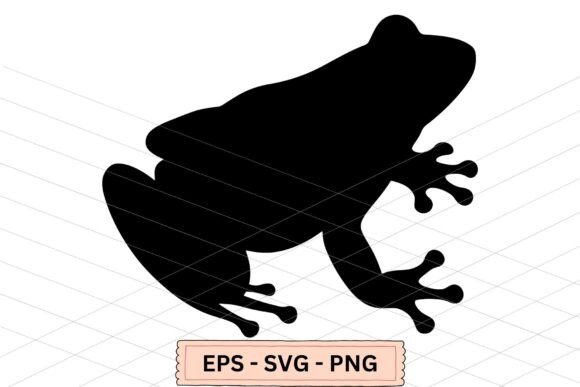
A frog silhouette is a simplified, outline-based representation of a frog. It's often used in graphic design to add a subtle yet recognizable touch without overwhelming the viewer with detail. Silhouettes work well in minimalist designs, logos, and patterns where clarity and elegance are important.
Silhouette designs are particularly useful when working with heat presses, sublimation printers, or embroidery machines. Their clean lines allow for easy tracing and application on fabric, metal, or wood surfaces. But if you're not careful, using a low-quality or improperly formatted silhouette can lead to misprints, blurry edges, or even registration issues during production.
Common Mistakes When Using Frog Silhouettes
- Using Low-Resolution Images: Silhouettes need high contrast and crisp edges. If you opt for a low-resolution PNG, especially one that's pixelated, the final product may look unprofessional.
- Ignoring File Format Compatibility: Not all silhouettes are created equal. Some come as vector files (like EPS or SVG), which are scalable without losing quality. Others might be raster images, limiting their use in large-scale printing or resizing.
- Overlooking Color Requirements: While silhouettes are typically black and white, some applications require specific color profiles or transparency settings. Always confirm the background and color mode before finalizing your design.
Understanding Frog SVG Files
If you're into digital design or run a print-on-demand business, an SVG file (Scalable Vector Graphics) is likely your best bet. SVG files are vector-based, meaning they maintain sharpness and clarity no matter how much you scale them up or down. They’re perfect for use in software like Adobe Illustrator, Cricut, or other cutting tools.
SVG files for frogs are especially popular because they can be easily customized—change colors, add layers, or modify shapes to suit your brand or project needs. But many users fall into the trap of assuming every SVG file available online is suitable for their purposes.
Common Misunderstandings About SVG Files
- Not Checking File Structure: Some SVGs may appear fine visually but have complex layers or embedded fonts that don’t translate well to cutting machines. Always open the file in a vector editor to verify its structure.
- Downloading Free Files Without Knowing Usage Rights: Free SVGs may come with restrictions. If you plan to sell products with the design, ensure the file is royalty-free and allows commercial use.
- Misusing Non-Editable Elements: A poorly constructed SVG could include non-editable text or effects. Before purchasing or downloading, test the file by changing colors or sizes to see if it behaves as expected.
The Role of Frog Clipart in Creative Projects
Frog clipart refers to ready-made frog illustrations, often in PNG format, that can be added to documents, websites, or printed items. These are commonly used in educational materials, blogs, greeting cards, and promotional content. Unlike SVGs, clipart is usually a fixed image, so it’s important to choose the right resolution and style for your intended use.
Clipart can streamline your workflow, but only if selected and applied correctly. Many beginners overlook the importance of matching the design style with their project theme or failing to adjust the size properly, which can result in a mismatched or unattractive outcome.
Pitfalls to Avoid with Frog Clipart
- Choosing the Wrong Style: Clipart comes in many styles—cartoonish, realistic, watercolor, etc. Ensure the style complements your overall design rather than clashing with it.
- Ignoring Transparency Settings: Clipart should ideally have a transparent background. If not, you’ll end up with unwanted white spaces or a flat appearance when placed over colored backgrounds or textures.
- Using Poor-Quality Files: Just because a frog clipart looks good on a website doesn’t mean it’s high resolution. Always download from reputable sources and check the DPI (dots per inch) to ensure print readiness.
What You Should Look For in Quality Files
When shopping for digital frog graphics, whether as a silhouette, SVG, or clipart, there are several factors to consider. Here’s a quick checklist to help you evaluate the value of your purchase:
- File Format: Make sure you’re getting the correct type for your project. For example, SVG is ideal for cutting machines, while PNG is better suited for digital displays or simple prints.
- Resolution: For print projects, aim for at least 300 DPI. Lower resolutions can cause blurry or pixelated results, especially when scaled up.
- Commercial Use Permissions: If you intend to use the design for selling products, double-check the licensing terms. Some files are strictly for personal use only.
- Editable Layers: Especially with SVGs, the ability to edit individual parts of the design (like eyes, legs, or background) can save time and improve customization.
- No Watermarks or Hidden Artifacts: Always inspect the downloaded file to ensure it’s clean and usable. Some free downloads include hidden elements or watermarks that aren’t visible until after editing.
Realistic Examples and Better Approaches
Let’s say you’re making personalized mugs with a frog design. A detailed PNG clipart might be too busy for such a small surface. Instead, a clean frog silhouette would stand out more effectively. On the other hand, if you're planning to create a layered vinyl decal for a car window, an SVG file with clear paths and editable sections is the way to go.
Another scenario involves a blogger looking to illustrate a post about amphibians. Here, a stylized frog clipart in PNG format with a transparent background would integrate seamlessly into the page design without needing extra editing.
To avoid errors, always preview your chosen frog graphic on the actual material or platform you plan to use it on. Test prints or digital mockups can reveal issues early and prevent costly rework later.
Why One Package Might Be Better Than Guessing
Instead of hunting through multiple sources for different formats, consider packages that offer all three in one. For instance, you might find a bundle containing a high-quality frog silhouette, a fully editable SVG file, and a transparent PNG for instant use. Such collections are designed to give you flexibility and convenience.
One such package includes a 1 ZIP file with 3 essential files:
- 1-EPS File
- 1-SVG File
- 1-PNG File
Practical Tips for Using the Files Effectively
- Organize Your Files: Keep your SVG, EPS, and PNG versions in separate folders based on their use case to streamline your workflow.
- Use the Right Software: Open SVG and EPS files in vector programs like Adobe Illustrator or Inkscape for full control. Use PNGs in photo editors like Photoshop or Canva for digital layouts.
- Resize Carefully: Since SVG and EPS are vector-based, they resize perfectly. PNGs, however, can lose quality when enlarged, so start with the largest size needed.
- Test on Real Materials: Before producing dozens of hoodies or doormats, try applying the design on one sample item to check alignment, color accuracy, and durability.
Maximizing Value for Small Businesses and Creators
For small businesses, hobbyists, and educators, investing in the right frog design files can significantly enhance productivity and creativity. The ability to reuse, repurpose, and rescale the same illustration across different products—from mugs to wooden wall art—can reduce costs and improve consistency in branding.
Here’s how to maximize your investment:
- Plan ahead by considering all potential uses for the design.
- Choose a set that includes multiple formats (SVG, EPS, PNG) for maximum compatibility.
- Ensure the design is scalable and works well both in print and digital formats.
- Store your files in an organized digital library for easy access and reuse.
Before You Buy: What to Check
Before clicking “buy” on any frog SVG, silhouette, or clipart, take a moment to ask yourself these questions:
- Will this design fit the size and shape of my project?
- Can I customize the colors or layout easily?
- Is the file compatible with the tools I’m using?
- Does it allow for commercial use if I plan to sell products?
- Are there any hidden fees or limitations after purchase?
By answering these questions honestly, you can avoid unnecessary frustration and wasted time. Remember, the goal is to enhance your creative process—not complicate it.
Conclusion
In summary, understanding the differences between a frog silhouette, an SVG file, and a PNG clipart is essential for anyone involved in design, crafting, or marketing. Each format has its strengths and appropriate use cases. With the right approach and attention to detail, you can turn these simple illustrations into powerful tools for your next creative endeavor.
Thank you for purchasing and visiting our store. We hope our zip file with 3 file types gives you everything you need to bring your ideas to life. Stay inspired and keep creating!